
The Fates of the Supporting Cast
The Hunchback of Notre DameThis character thread follows the novel’s contrasting outcomes for Jehan, Gudule, Fleur-de-Lys, and the people around the central tragedy.
increasing Bearing strength in each event
 decreasing
Bearing strength in each eventdecreasingJehan’s Irreverent Youth

A Brother Outside the Cloister
Student and troublemaker
Jehan Frollo mocks officials, neglects study, and lives by jokes, drink, and impulse. He is affectionate in flashes but resists Claude’s attempts to discipline him.
A new allegiance
After Claude refuses him money, Jehan declares that he will become a vagabond. His break with the clerical household leads him into the Court of Miracles’ assault.
Jehan’s Fatal Expedition
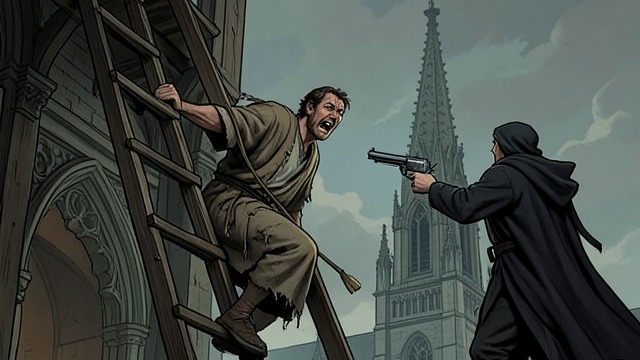
A Joke Ends in Death
The ladder ascent
Jehan arms himself and climbs the ladder with the outcasts toward Notre-Dame. His irreverence survives even as the assault turns dangerous.
Quasimodo’s retaliation
After firing at Quasimodo, Jehan is seized and hurled from the gallery. His reckless revolt ends in a violent death.
Gudule’s Long Reclusion

A Life Around a Shoe
Grief made permanent
After losing Agnes, Paquette becomes the recluse Gudule. She confines herself to the Rat-Hole and keeps the child’s shoe as her chief link to the past.
Hatred as defense
She directs her grief against the Egyptians and Esmeralda, believing them responsible. Her mistaken certainty protects her from a loss she cannot bear to question.
Fleur-de-Lys’s Rivalry
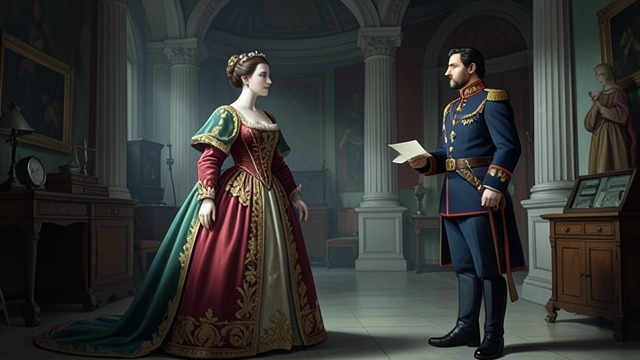
A Betrothed Confronted
A rival appears
Fleur-de-Lys invites Esmeralda into her home and sees the captain’s admiration for her. Djali’s letters spelling Phoebus make the threat unmistakable.
A fragile engagement
Fleur-de-Lys faints, and Phoebus follows Esmeralda rather than remaining with her. Later he returns with a false account, preserving the marriage prospect without rebuilding trust.
After the Tragedy
Survivors and Their Endings
Gringoire continues
Pierre Gringoire survives, saves Djali, and returns to literary work. His continued life stands apart from the deaths of Esmeralda, Claude, and Quasimodo.
Phoebus marries
Phoebus also survives and marries, while the novel gives no redemptive reckoning for his role. Ordinary social success continues beside the catastrophe it helped produce.
January 6, 1482
The night of the attack on Notre-Dame
From 1466 to January 1482
March 1, 1482
By 1483
